Architect John Vanbrugh is finally being celebrated, 300 years after his death
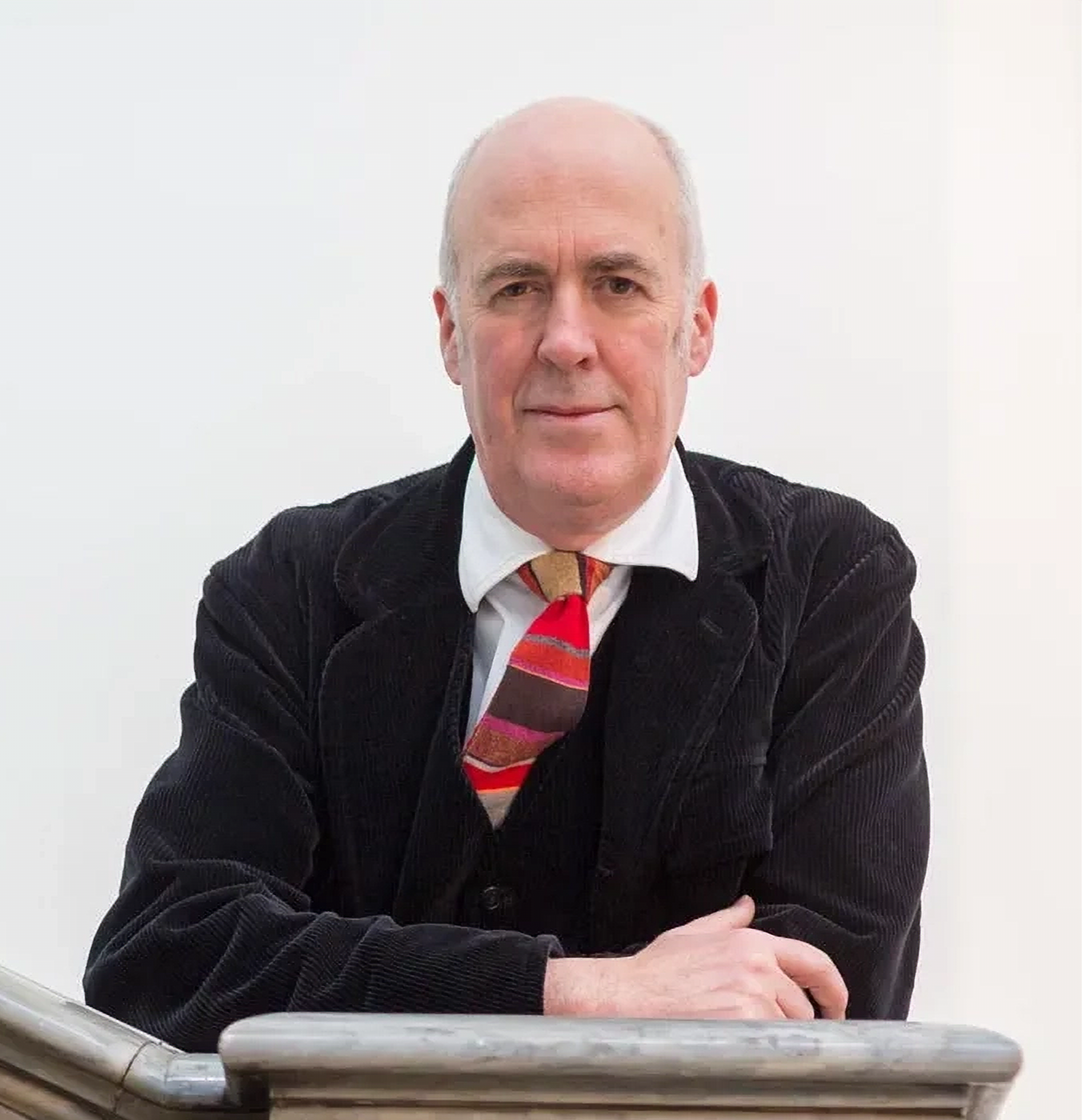
British architect John Vanbrugh is finally being given the memorial he deserves through a year-long Vanbrugh300 programme of exhibitions and events across the UK. It marks exactly 300 years since his death. Here in our latest guest-column, art historian and former museum director Sir Charles Saumarez Smith explains why he's taking part.
This article first appeared in the maxwell museums newsletter. Subscribe here to get future editions for free
John Vanbrugh, architect and playwright, died on 26 March 1726. That’s exactly 300 years ago. He died of ‘a quinsy in the throat’.
Vanbrugh was buried in St. Stephen Walbrook in the City of London. But there was no memorial. This is now being rectified with the Georgian Group’s Vanbrugh300 programme. There are lots of events throughout this year — including exhibitions at Sir John Soane’s Museum, Blenheim Palace and Castle Howard — to commemorate him.

Since the Second World War, many people — and particularly architects — have admired Nicholas Hawksmoor, Vanbrugh’s understudy. They have thought of Vanbrugh as a showman, which he was. And that he did too many other things besides architecture, including working as a wine merchant, travelling to India, serving in the army, helping William of Orange with his plans for invasion, and writing two wildly successful plays, before he settled down and designed Castle Howard and Blenheim, two of England’s biggest, grandest and most popular country houses.
How could someone who did so much have been able to devote the time and attention to the details of design?
Of course, Vanbrugh had a big machine of people to help him with the details of construction. But from the evidence of the drawings on display now in the exhibition John Vanbrugh: The Drama of Architecture at the Soane Museum (which I have co-curated), he was perfectly able to sketch out his ideas and persuade his friends that he was capable of designing big buildings which were more interesting and more experimental than any other architect of the time.
The Duchess of Marlborough wanted Blenheim to be designed by Sir Christopher Wren. But the Duke insisted on it being done by Vanbrugh, who designed as a national monument and with military bravado.
What was Sir John Vanbrugh famous for?

Vanbrugh didn’t only design Castle Howard and Blenheim. He did a castellated garden front for Kimbolton, near Huntingdon, now a school, and King’s Weston in Bristol. He bought an estate for himself south of Esher, where he built a small house for his mother which he sold to the Duke of Newcastle to become Claremont, a massive house, the gardens of which are now owned by the National Trust.
Recommended read | Why is John Constable's 250th birthday being celebrated?
He designed temples and a pyramid in the grounds of Stowe and a new entrance façade at Grimsthorpe in Lincolnshire. He built a wildly adventurous house at Seaton Delaval, near the sea east of Newcastle and, towards the end of his life, he started building a housing estate in a medieval style in Greenwich, including a small castle for himself and a bungalow for his sisters.
All Vanbrugh’s houses are joining in the celebrations. Blenheim has devoted much of its visitor experience to Vanbrugh, including animatronics of Vanbrugh quarrelling with the Duchess of Marlborough. Castle Howard is holding an exhibition encouraging people to pay attention to how Vanbrugh enlivened the surrounding landscape with temples, pyramids and fortifications.
Five years ago, I thought no-one was interested in Vanbrugh. Now, people are recognising his originality. 🟦
Sir Charles Saumarez Smith is the former director of the National Gallery and the National Portrait Gallery, and was chief executive of the Royal Academy of Arts from 2007 until 2018
Vanbrugh: The Drama of Architecture is at Sir John Soane’s Museum in London until 28 June 2026. John Vanbrugh: The Drama of Architecture by Charles Saumarez Smith is published by Lund Humphries
*This website may receive a small commission if you click a link and purchase something on this page, at no extra cost to you. Thank you for your support.


